inflation price stability Strategic Analysis Headline
Wholesale prices are compounding at a pace unseen since 2022, colliding head-on with stagnant real wages. Central banks are trapped. Policymakers must balance aggressive monetary defense with the productivity shock of emerging artificial intelligence, while households absorb an unyielding erosion of purchasing power. This is the structural reality governing capital allocation and monetary posture today.
Look past the headline employment figures. The lived reality for the broader economy involves a relentless squeeze on margins and disposable incomes. Nominal wage gains secured over the past two years have been neutralized by cumulative inflation in housing, energy, and core services.
The Mechanics of Wholesale Inflation and Energy Shocks

Producer prices are surging. Energy markets remain volatile, and supply chains continue to absorb structural shocks that ripple directly into corporate input costs. Central banks face a non-negotiable mandate for price stability, yet monetary levers are ill-equipped to fix targeted supply-side constraints without inducing broader economic pain.
The transmission mechanism from wholesale producer tags to retail consumer baskets operates on a definitive lag. As manufacturing, logistics, and agricultural sectors absorb margin compression, corporations face a binary choice: swallow the losses or pass them downstream. Businesses with weak market share experience severe earnings erosion. Those with genuine pricing power simply raise prices, locking in sticky consumer inflation.
This inflationary pulse coincides with a massive technological transformation. The deployment of enterprise intelligence tools across global supply chains is delivering an unprecedented productivity shock. Capital is reallocating rapidly toward automation, altering labor demand dynamics and corporate valuations in real time.
| Economic Indicator | Current Trend (2026) | Historical Baseline | Real-World Impact |
|---|---|---|---|
| Wholesale Inflation (PPI) | Surging (Highest since 2022) | Moderate post-pandemic cooling | Compressed corporate margins, downstream retail price hikes |
| Real Wage Growth | Flat to Negative | Positive nominal growth | Household purchasing power erosion over a 24-month horizon |
| Energy Costs | Volatile and Elevated | Stabilizing trendlines | Immediate strain on manufacturing, transport, and consumer heating/fuel |
| Entitlement Adjustments (e.g., VA/Social Security) | ~3.6% Cost-of-Living Increase | Historical averages (~2-3%) | Partial offset for fixed-income retirees and veterans against inflation |
The Real Wage Paradox and Consumer Buying Power

Nominal earnings growth has plateaued relative to the true cost-of-living basket. When adjusted for cumulative inflation across essential categories, real wages have flatlined or turned negative for millions of workers. This disconnect explains the deep dissonance between reported economic resilience and persistent consumer pessimism.
The divergence between macroeconomic aggregates and microeconomic strain exacerbates wealth inequality. Households dependent entirely on fixed salaries find themselves structurally disadvantaged as shelter and healthcare costs outpace wage adjustments. Conversely, equity holders and asset-heavy corporations navigate the inflationary regime through margin expansion and pricing leverage.
Statutory adjustments offer only partial relief. Cost-of-living adjustments hovering around 3.6% for Social Security and veteran beneficiaries routinely lag behind the actual consumption baskets of vulnerable demographics. Retrospective policy mechanisms fail to protect purchasing power in a fast-moving price cycle.
Central Bank Strategy Amid Technological Disruption

Monetary authorities operate under severe constraints. The structural integration of artificial intelligence into corporate workflows is reshaping productivity equations. While automation is inherently disinflationary over long horizons, the immediate transition demands massive capital outlays and creates severe labor market frictions. Central bankers must distinguish between transient energy shocks and permanent shifts in pricing floors.
Interest rate expectations have reset. The era of zero-bound accommodation is dead, replaced by a higher-for-longer paradigm where capital commands an explicit, high cost. Premature monetary easing risks unmooring long-term inflation expectations, a policy error central banks are determined to avoid.
Portfolio managers and corporate treasurers must price in this restrictive reality. Cheap leverage is gone. Corporate profitability now depends entirely on operational efficiency, balance sheet strength, and the tactical deployment of productivity-enhancing technologies to offset rising wage and input costs.
Building Institutional and Portfolio Resilience
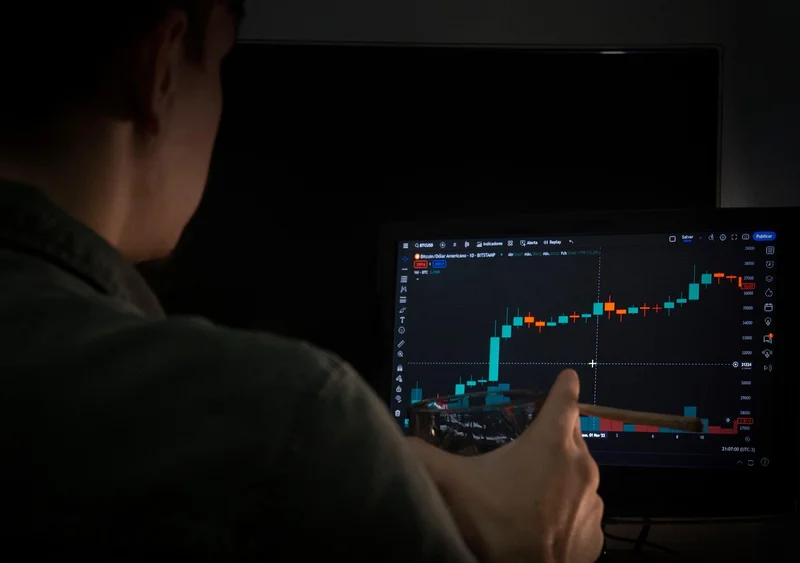
Passive wealth preservation is obsolete when inflation silently strips value from nominal cash holdings. Institutional allocators and high-net-worth portfolios require a rigorous, structural approach to outmaneuver cost-of-living creep and yield compression.
Sustaining capital adequacy in this macro regime demands deliberate, measurable reallocation strategies. Below is an institutional framework designed to insulate capital and optimize positioning against ongoing macroeconomic volatility.
- Isolate Pricing Power: Overweight equities and corporate debt issuers possessing dominant market share and inelastic demand. Businesses capable of passing wholesale cost increases directly to end-users without destroying volume are the primary defense against margin compression.
- Optimize Capital Deployment and Cash Yields: Sweep excess corporate and personal liquidity out of low-yielding operational accounts into short-duration Treasury instruments and high-yield money market vehicles that track the upper bounds of the current baseline rate environment.
- Target Structural Growth Vectors: Reallocate venture and equity exposure toward sectors successfully integrating enterprise intelligence to drive structural margin expansion, bypassing companies reliant on low-cost labor arbitrage.